Angebotskatalog
Auf dieser Seite finden Sie einen Überblick über die von den Mitgliedern des Vereins angebotenen Dienste und Dienstleistungen im Bereich Forschungsinfrastrukturen, sortiert nach Themenbereichen. Klicken Sie auf den Titel eines Angebots, um zur jeweiligen Webseite zu gelangen.
Activities
Keywords
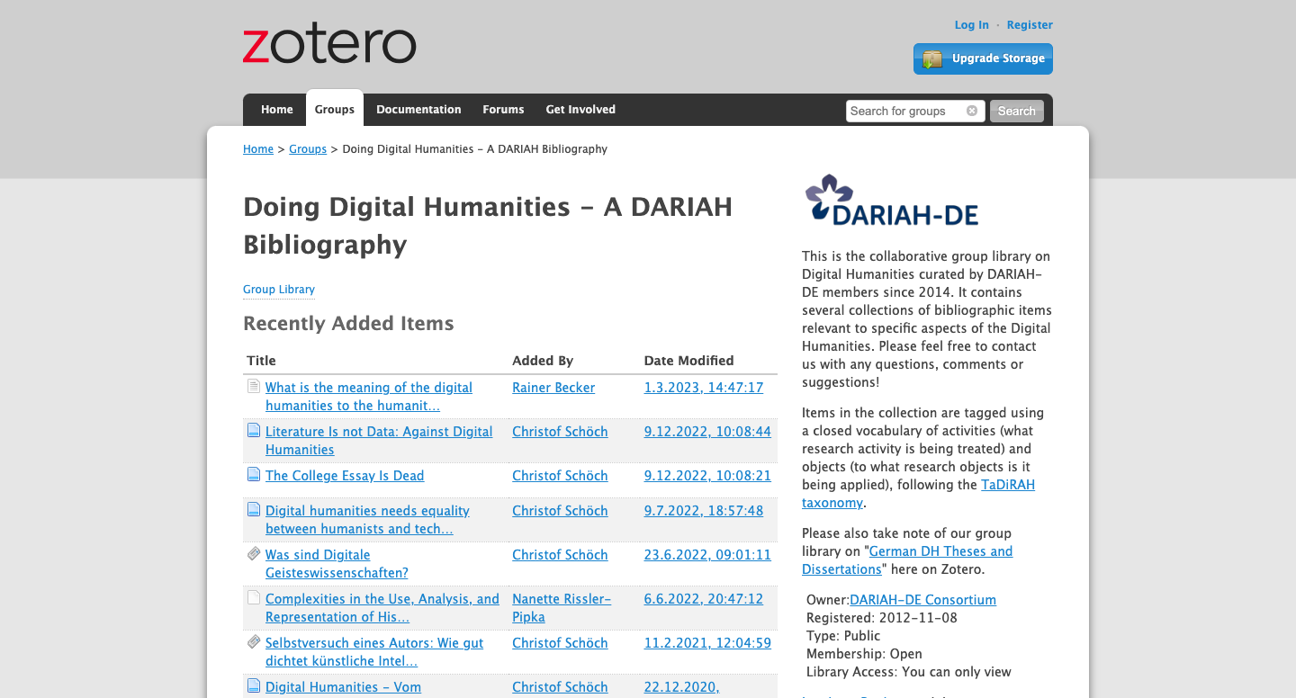
Bibliography Doing Digital Humanities
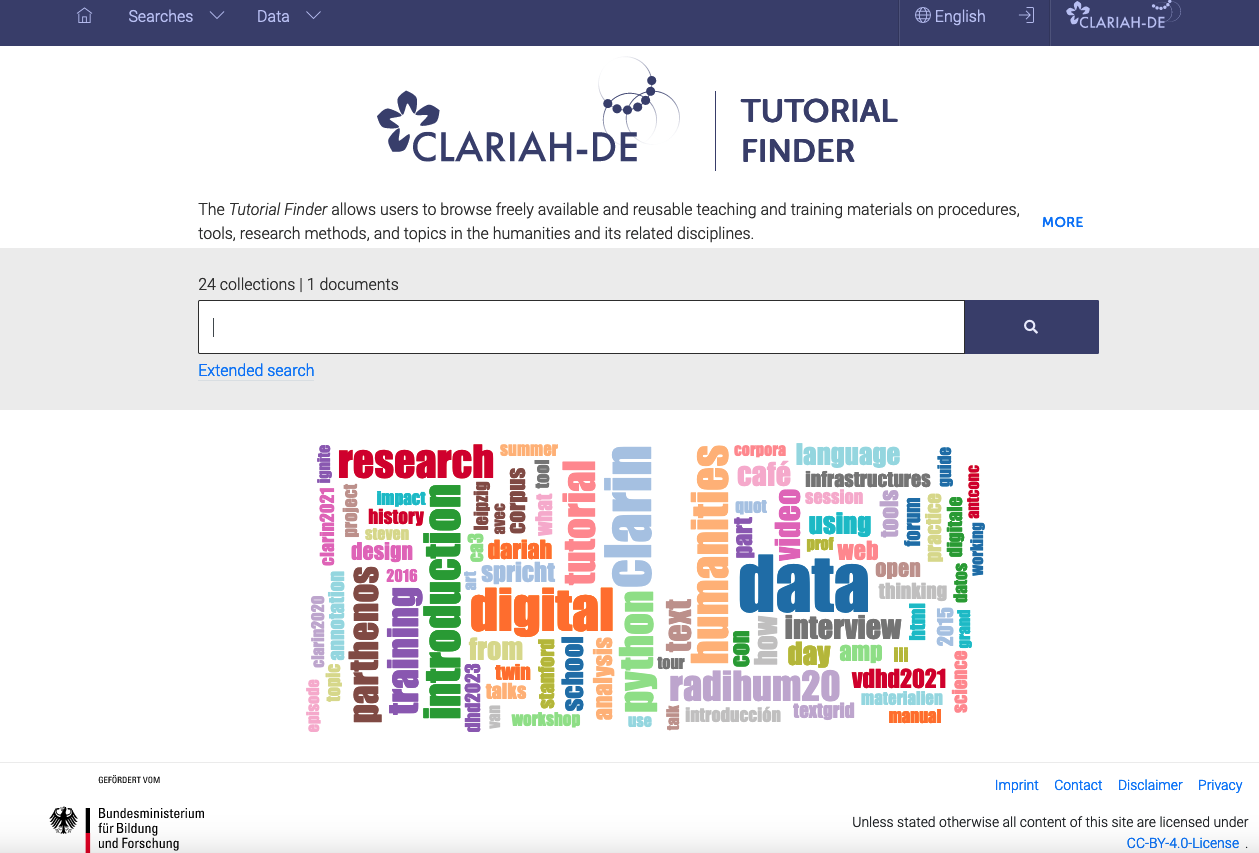
CLARIAH-DE Tutorial Finder
The Tutorial Finder allows users to browse freely available and reusable teaching and training materials on procedures, tools, research methods, and topics in the humanities and its related disciplines.
This resource is supported by Text+.
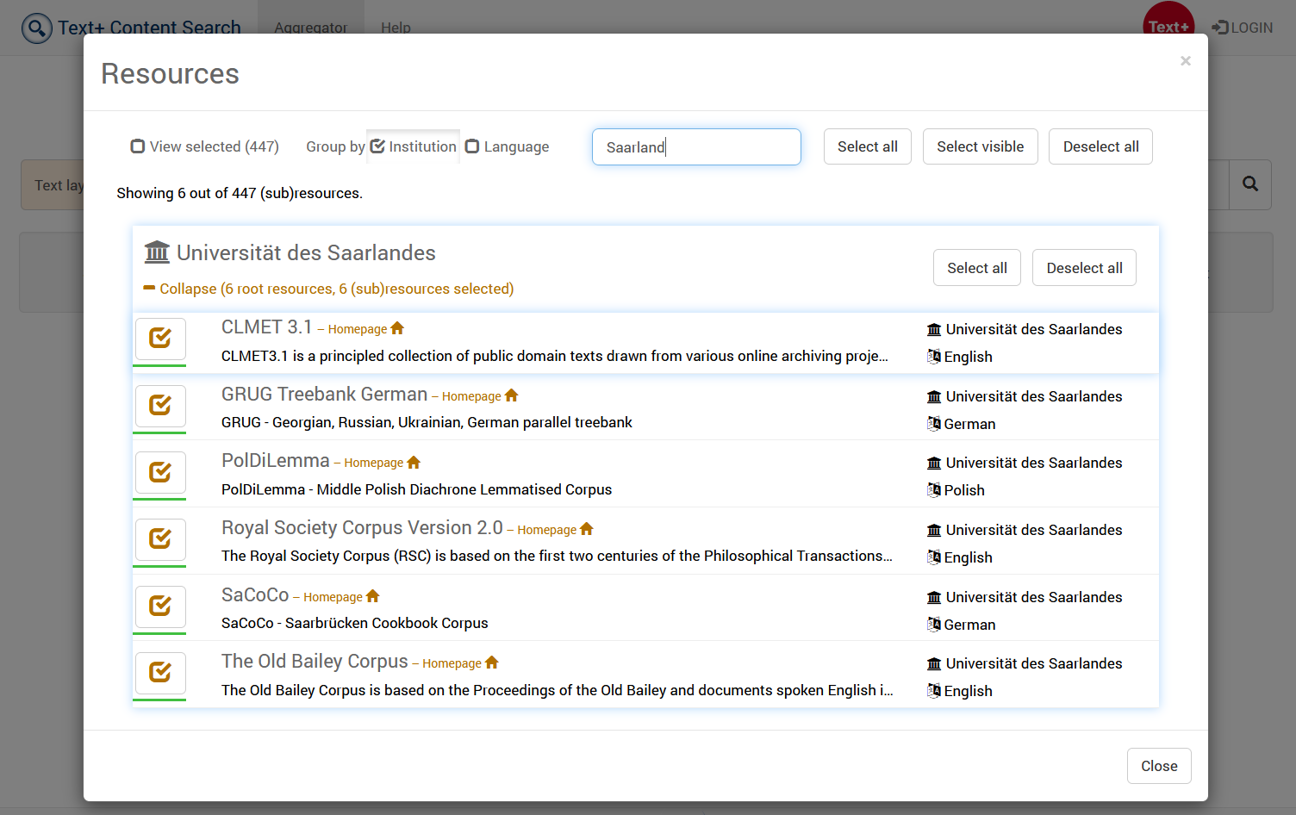
CLARIND-UdS FCS Endpoint (Saarbrücken)
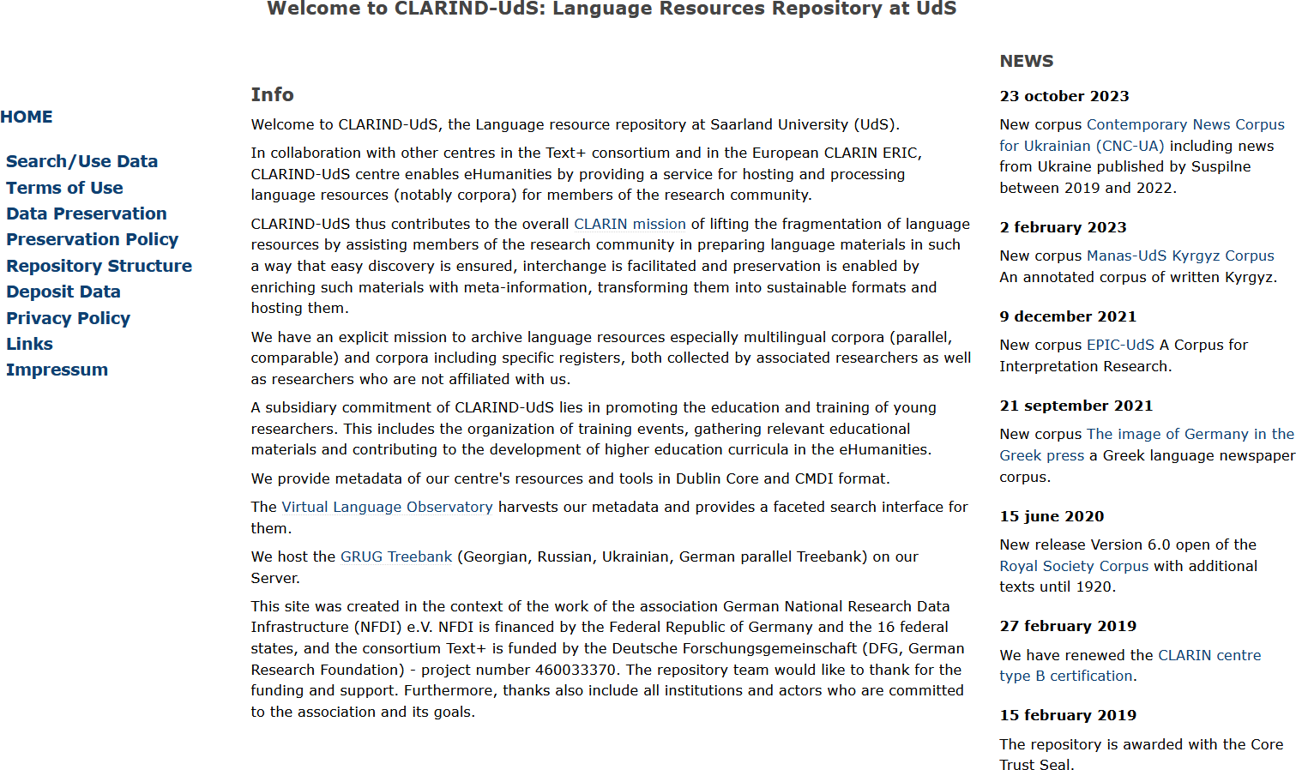
CLARIND-UdS Repository (Saarbrücken)
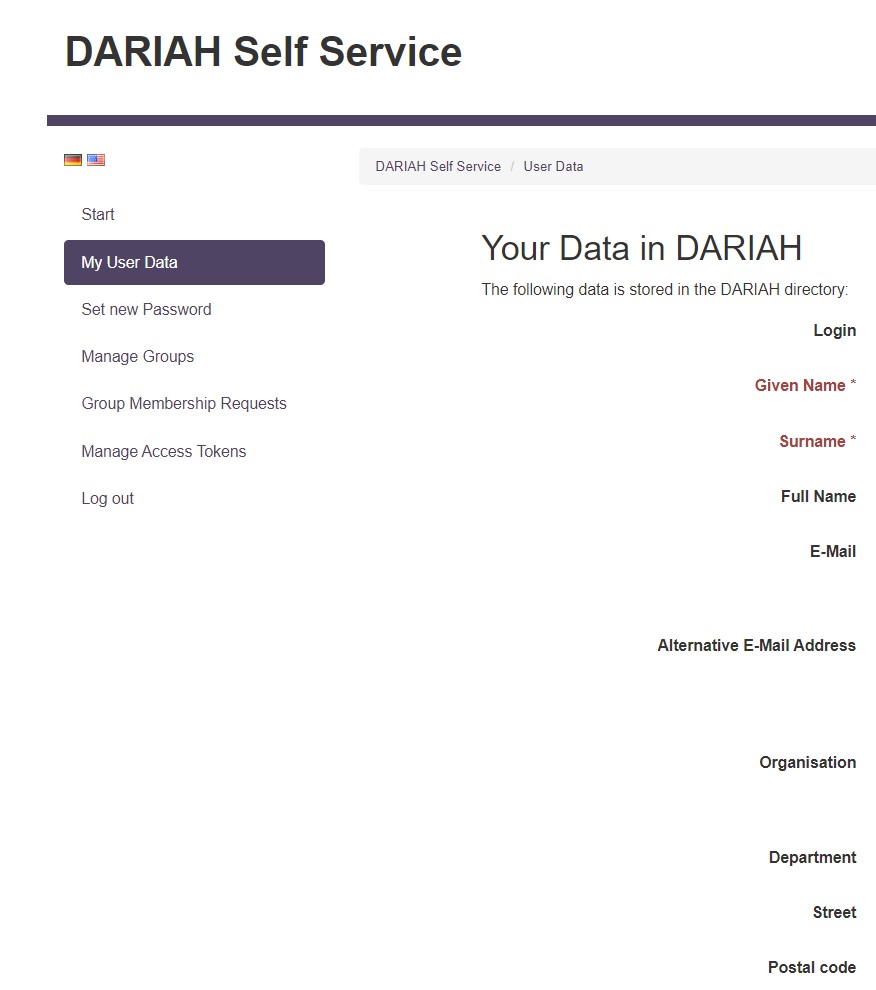
DARIAH Authentication and Authorization (AAI)
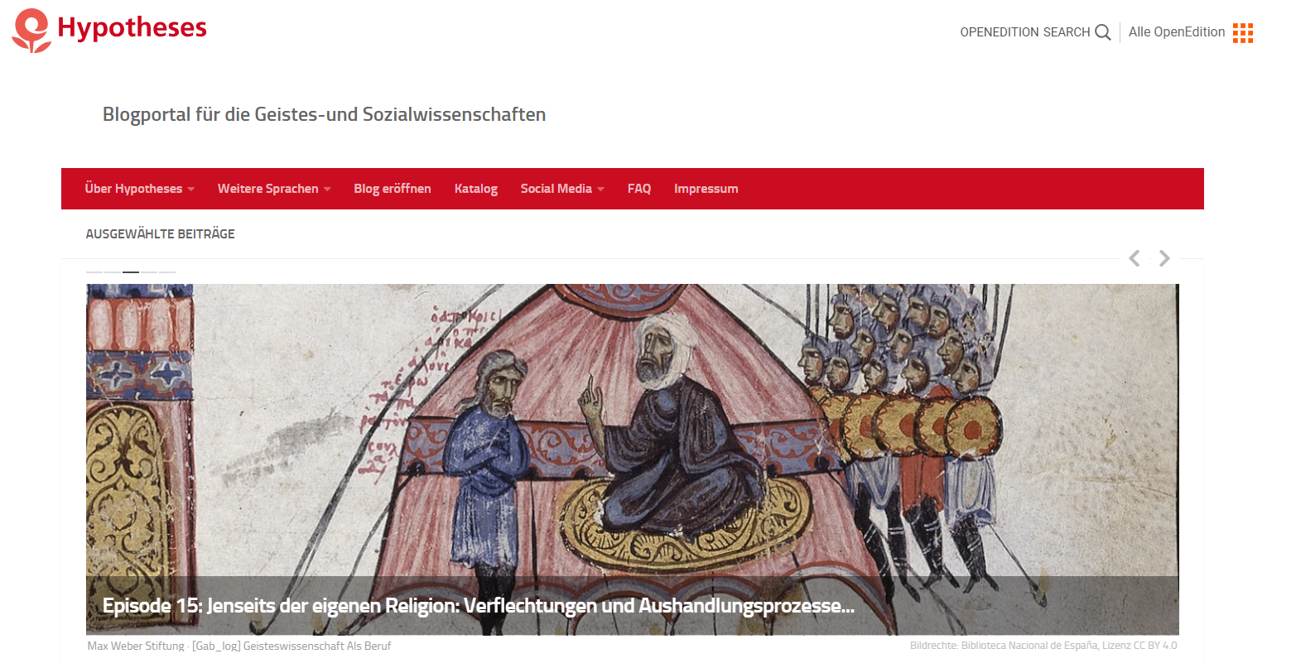
DARIAH-DE and OPERAS-GER academic blogging with Hypotheses
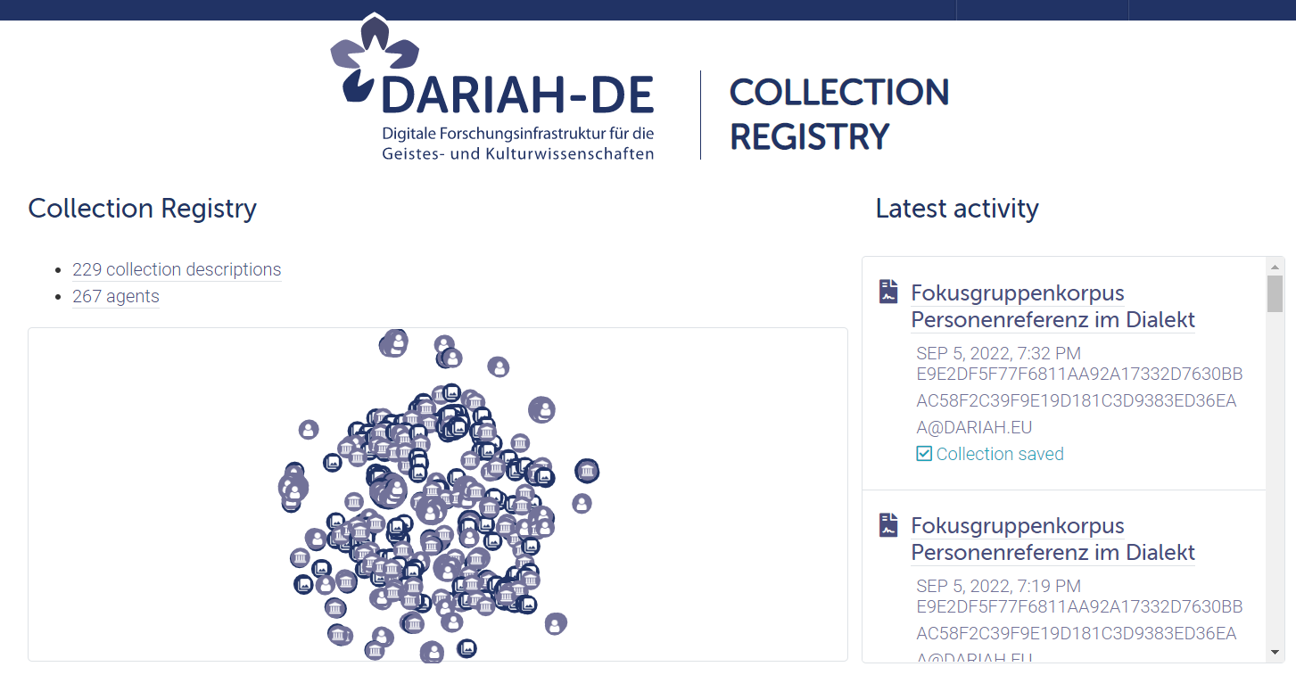
DARIAH-DE Collection Registry
DARIAH-DE Data Federation Architecture (DFA)
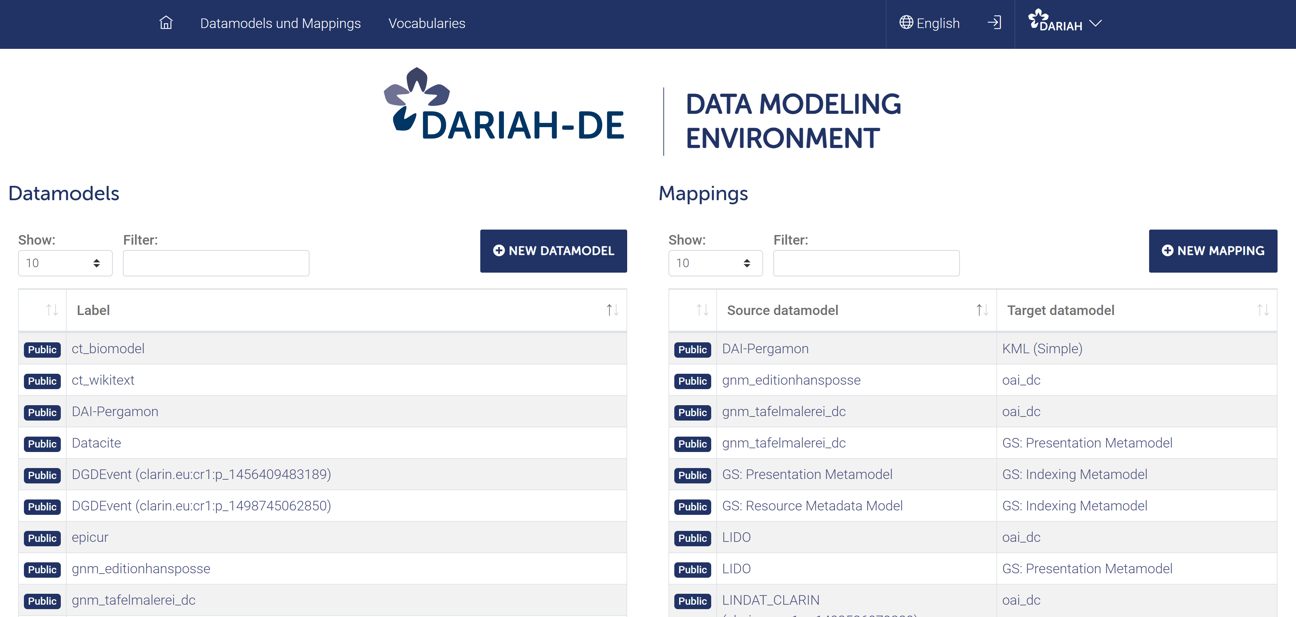
DARIAH-DE Data Modeling Environment
Environment for modeling data and their relationships.
The Data Modeling Environment (DME) is a tool for modeling and associating data. By means of the DME, data models and mappings between them are defined and provided in terms of interfaces (REST-API).
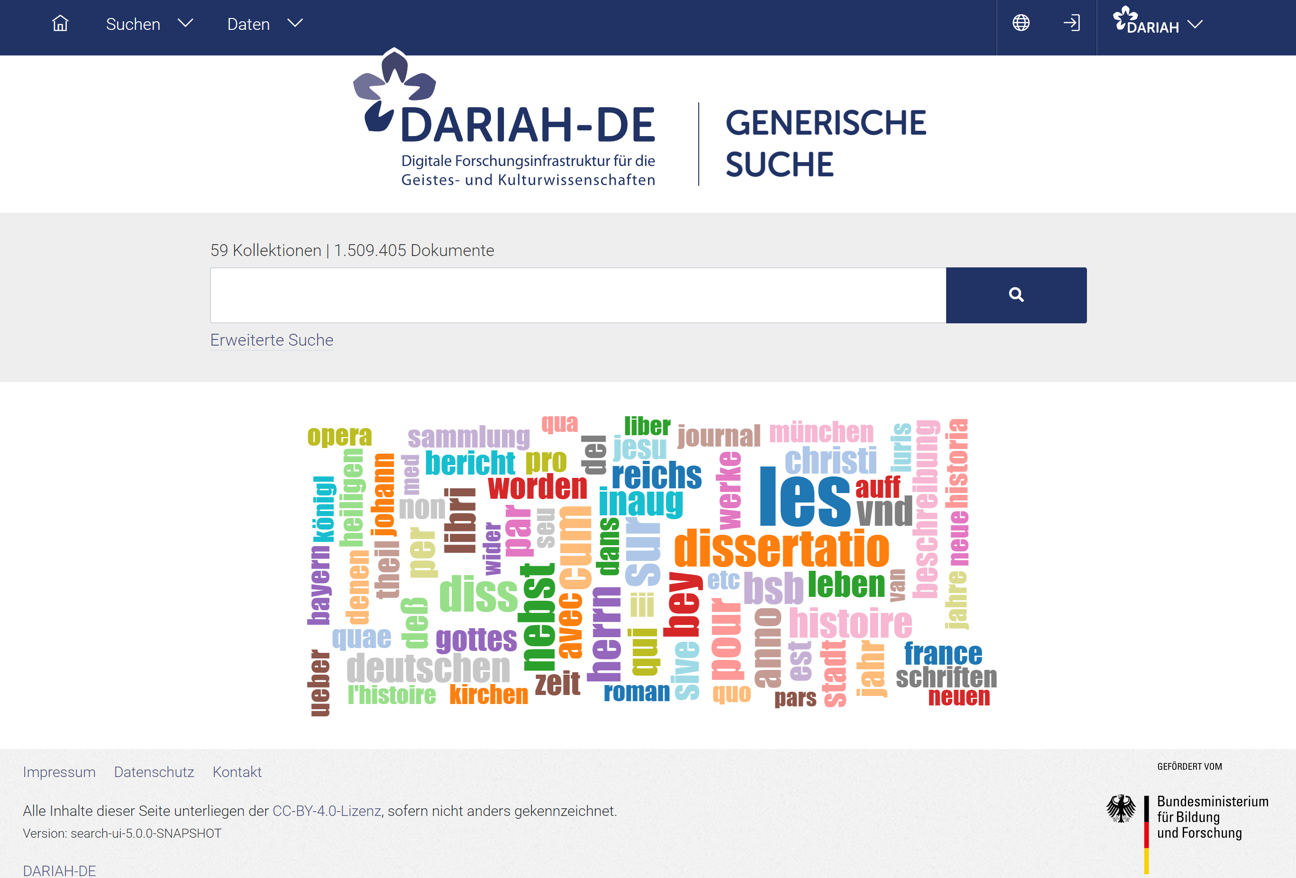
DARIAH-DE Generic Search
Search engine that allows to search in the metadata records of the Collection Registry
The Generic Search creates a comprehensive search facility in DARIAH-DE.
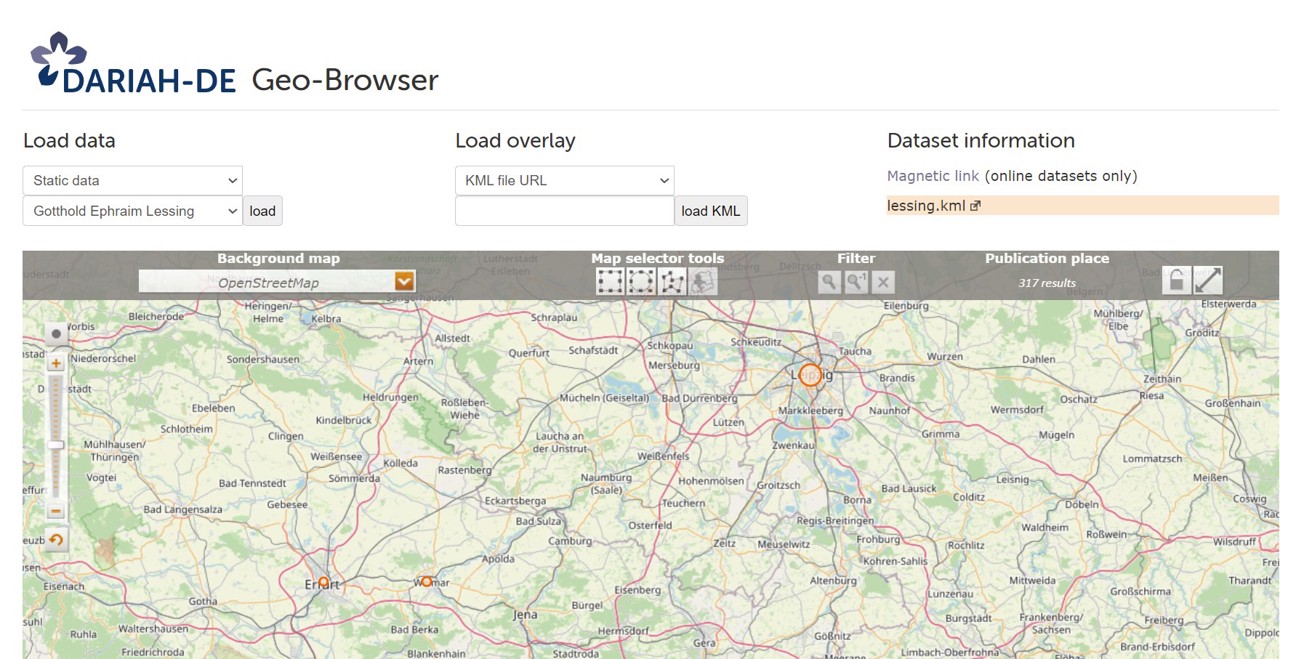
DARIAH-DE Geo-Browser
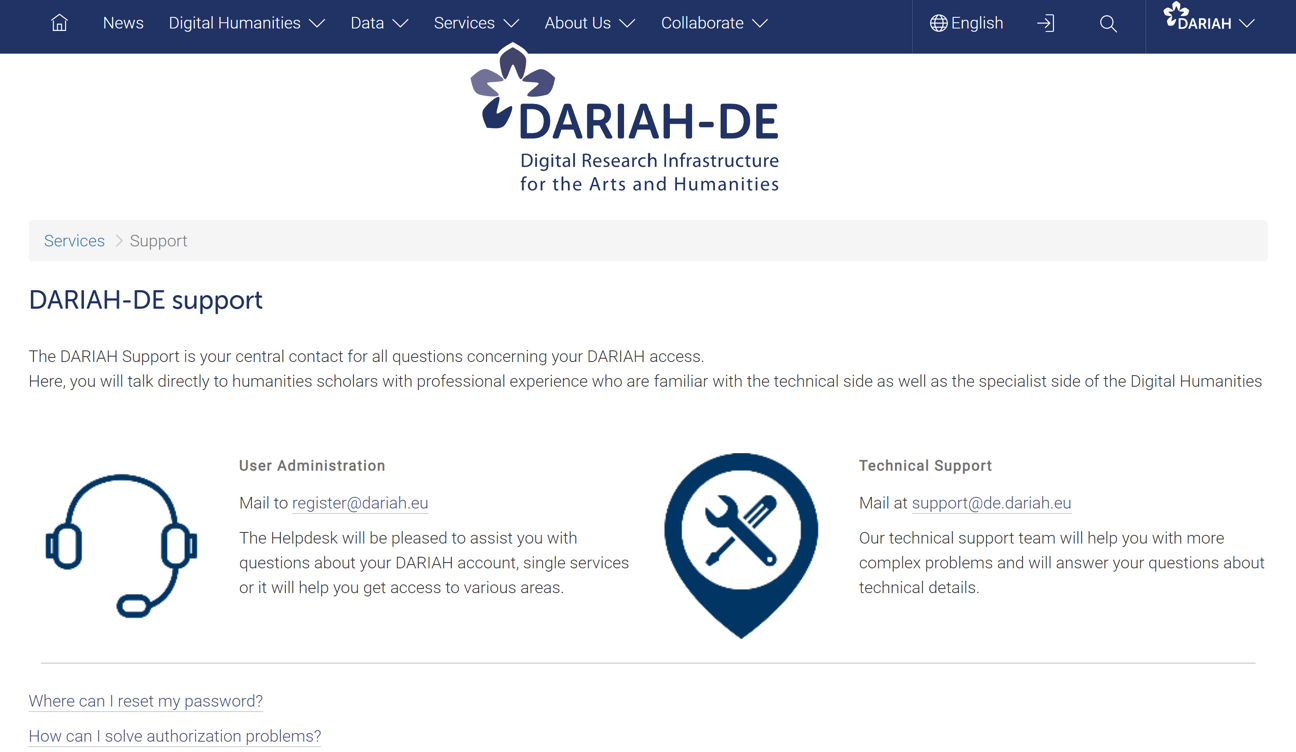
DARIAH-DE Helpdesk (DARIAH-EU, Text+)
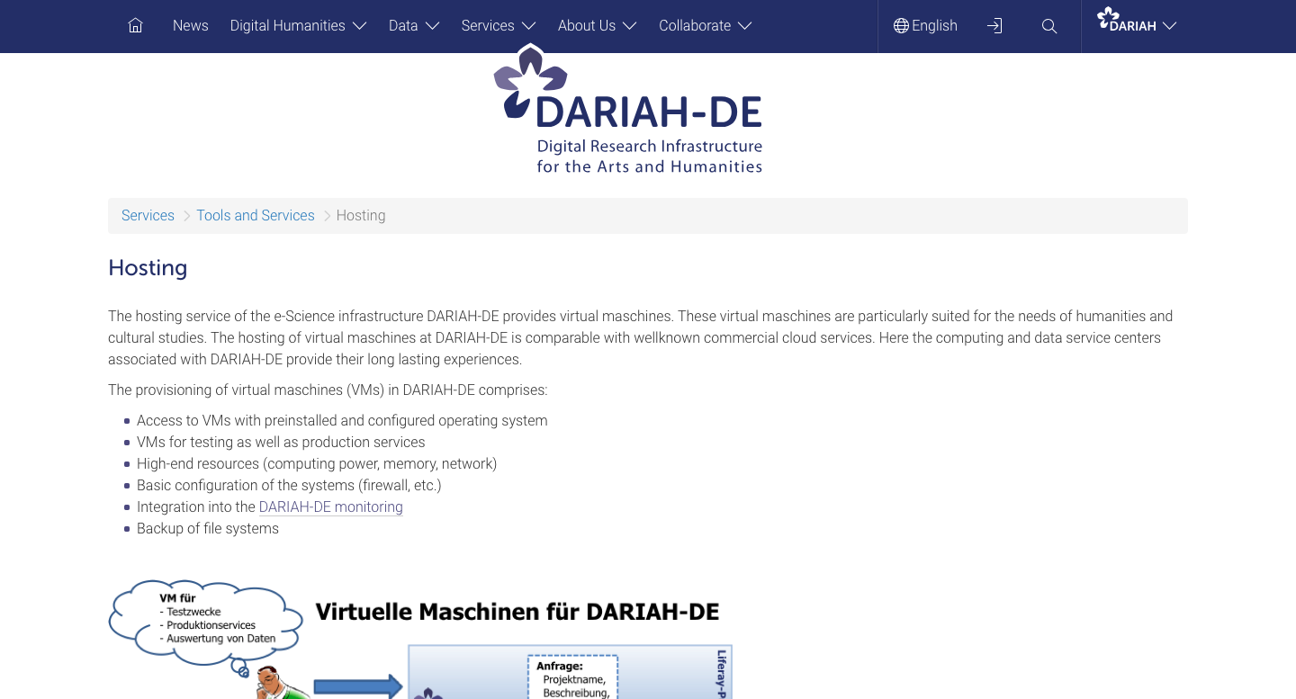
DARIAH-DE Hosting of Virtual Machines
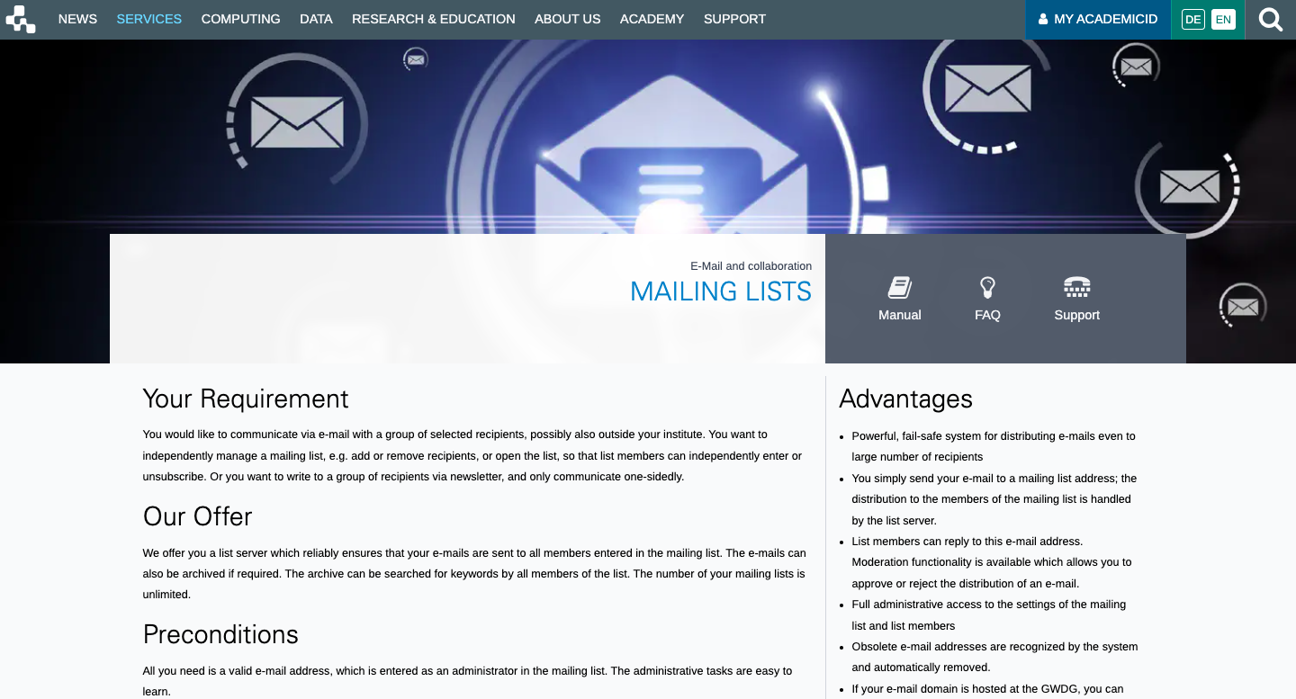
DARIAH-DE Mailing lists
DARIAH-DE provides mailing lists for fast information exchange within the research community.
DARIAH-DE provides mailing lists in many research areas as a communication tool. This way a fast information exchange to special topics can take place inside the research community.
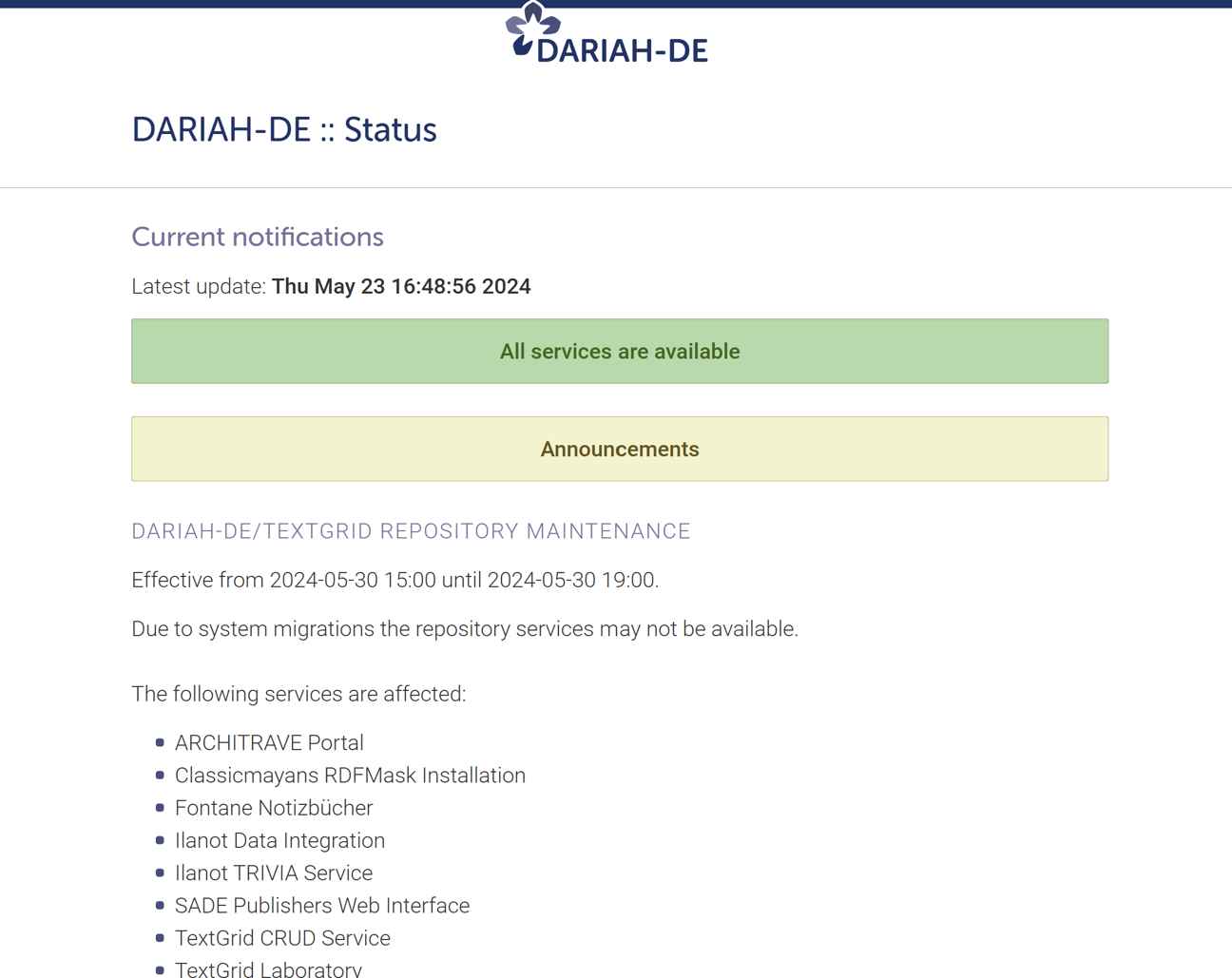
DARIAH-DE Monitoring of research infrastructures and services using Icinga
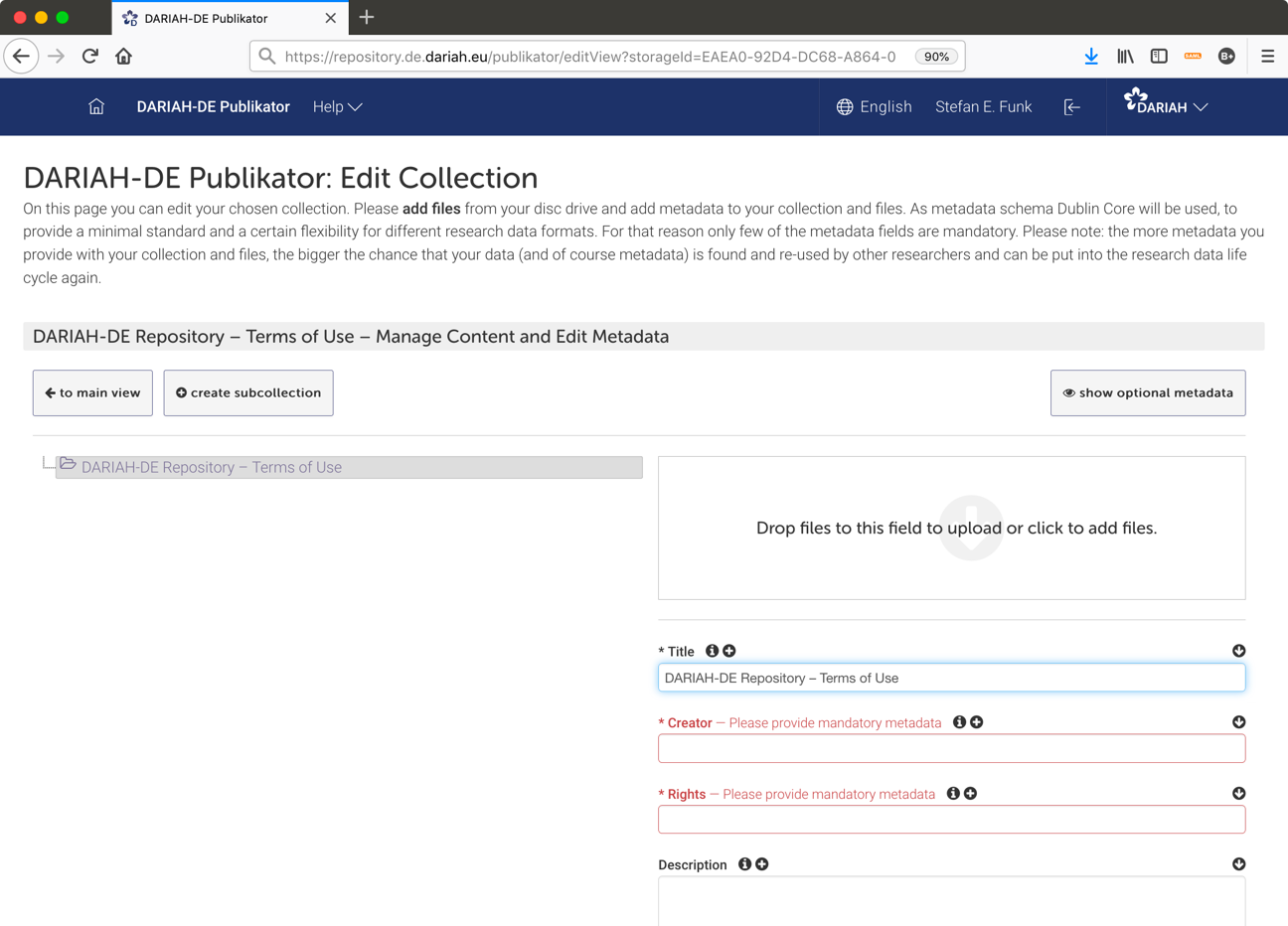
DARIAH-DE Publikator
For whom? Researchers who want to deposit their research data safe, persistent, and referencable in a research data repository.
The DARIAH-DE Publikator offers the possibility to prepare, manage and import research data for the import into the DARIAH-DE Repository.
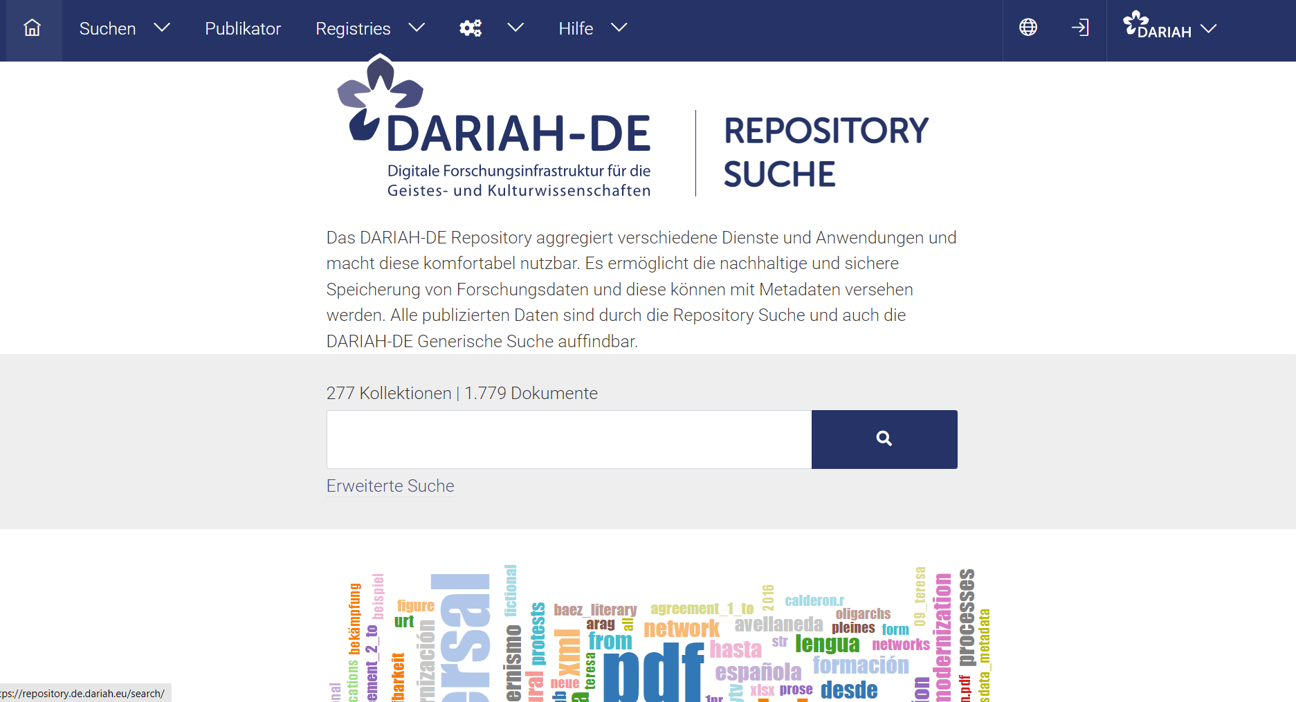
DARIAH-DE Repository dhrep
DARIAH-DE Survey Provisioning
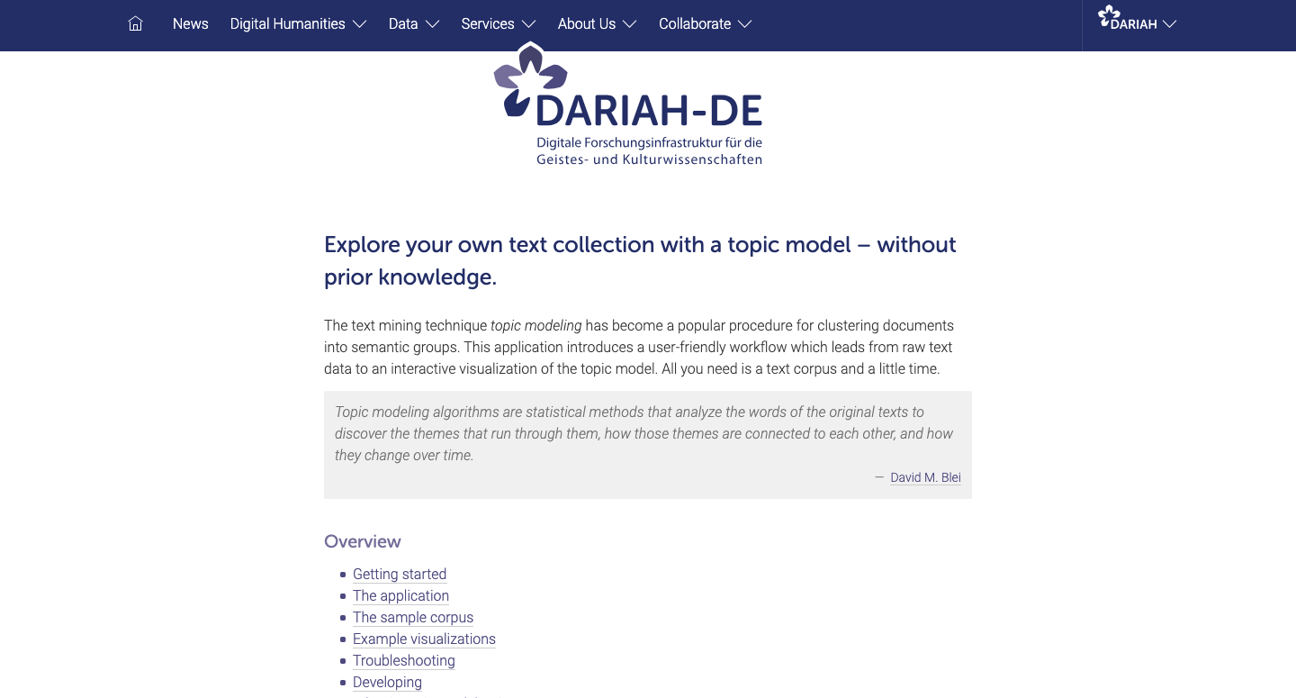
DARIAH-DE TopicsExplorer
DARIAH-DE Working Papers
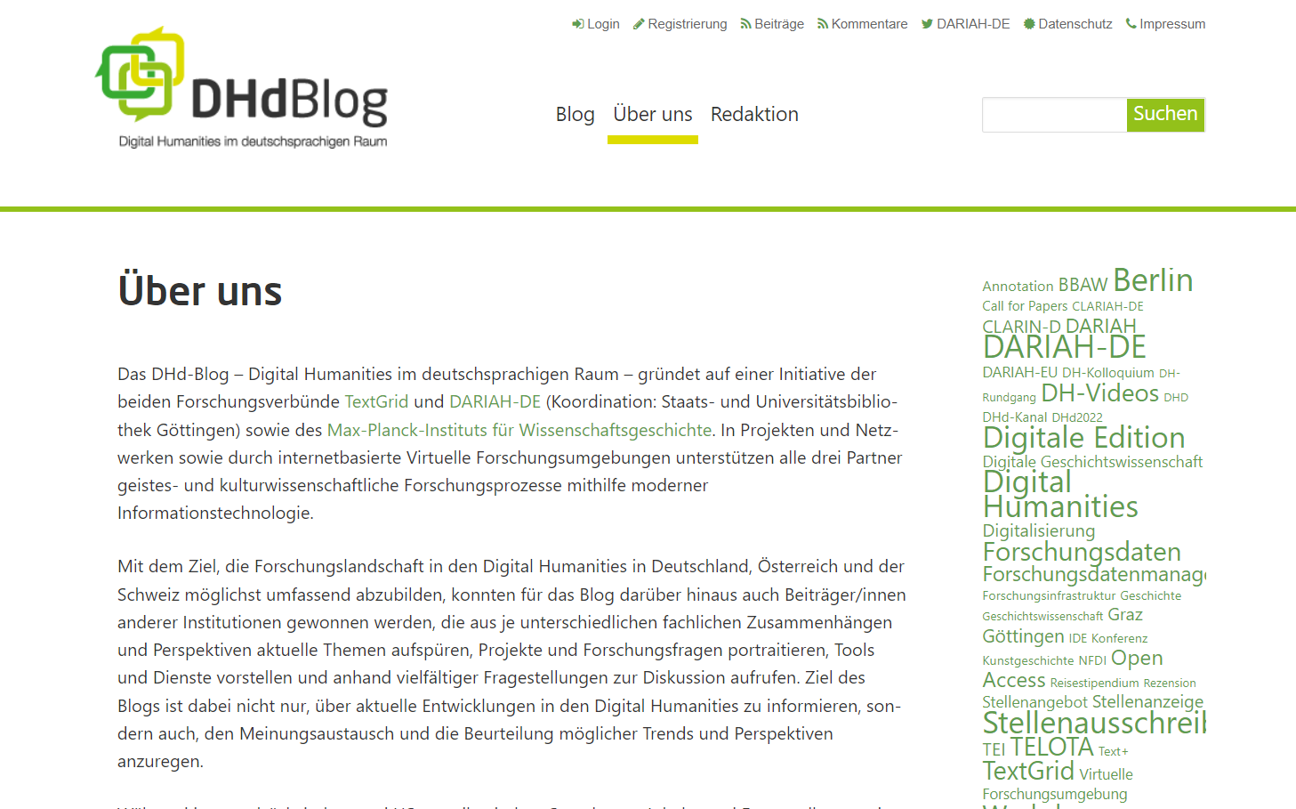
DHd Blog
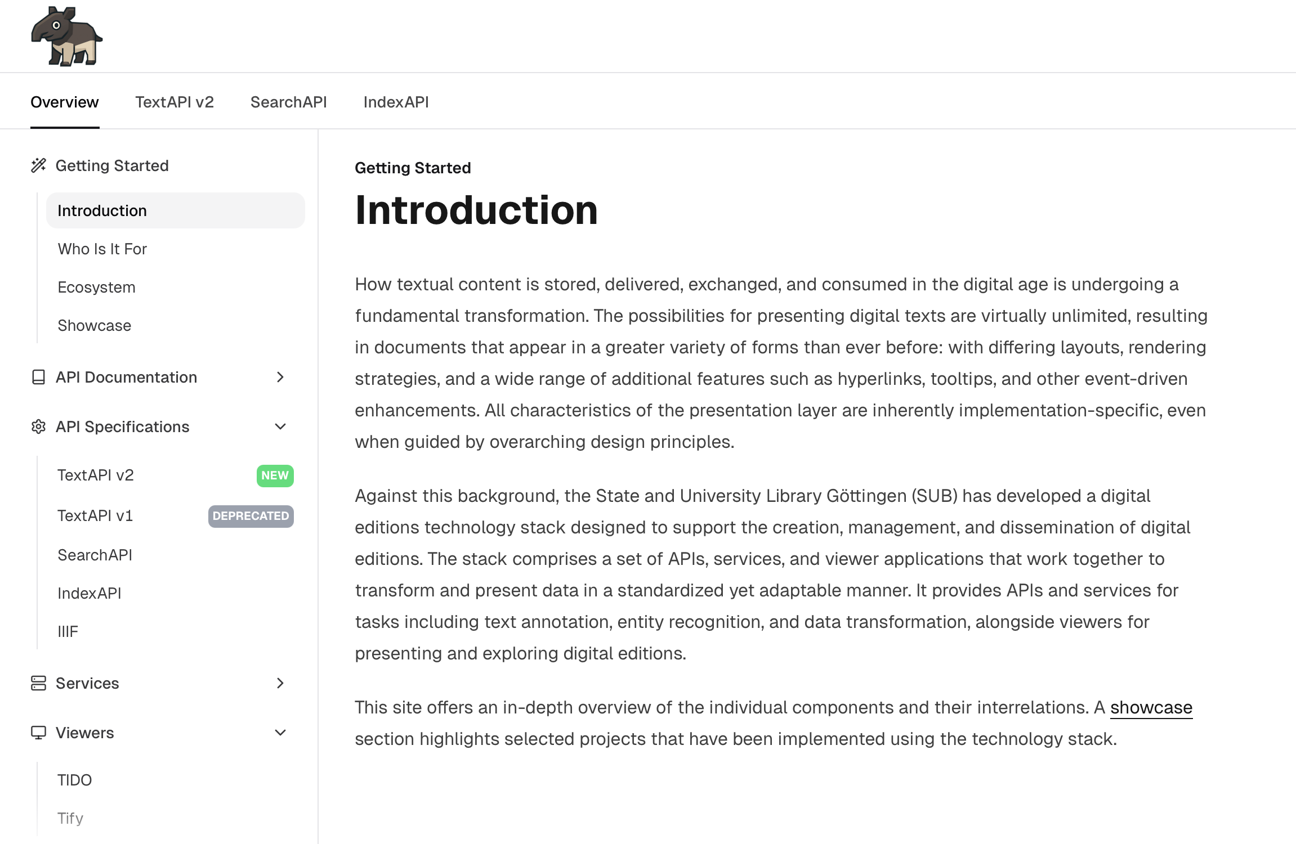
Digital Editions Technology Stack
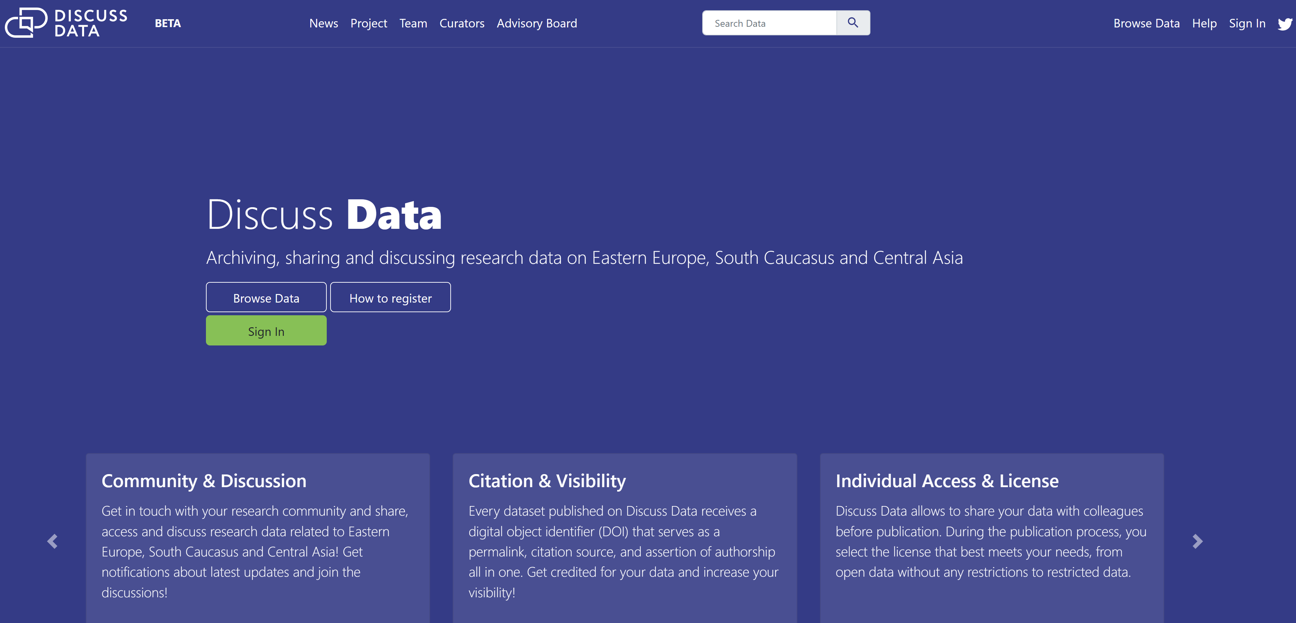
Discuss Data
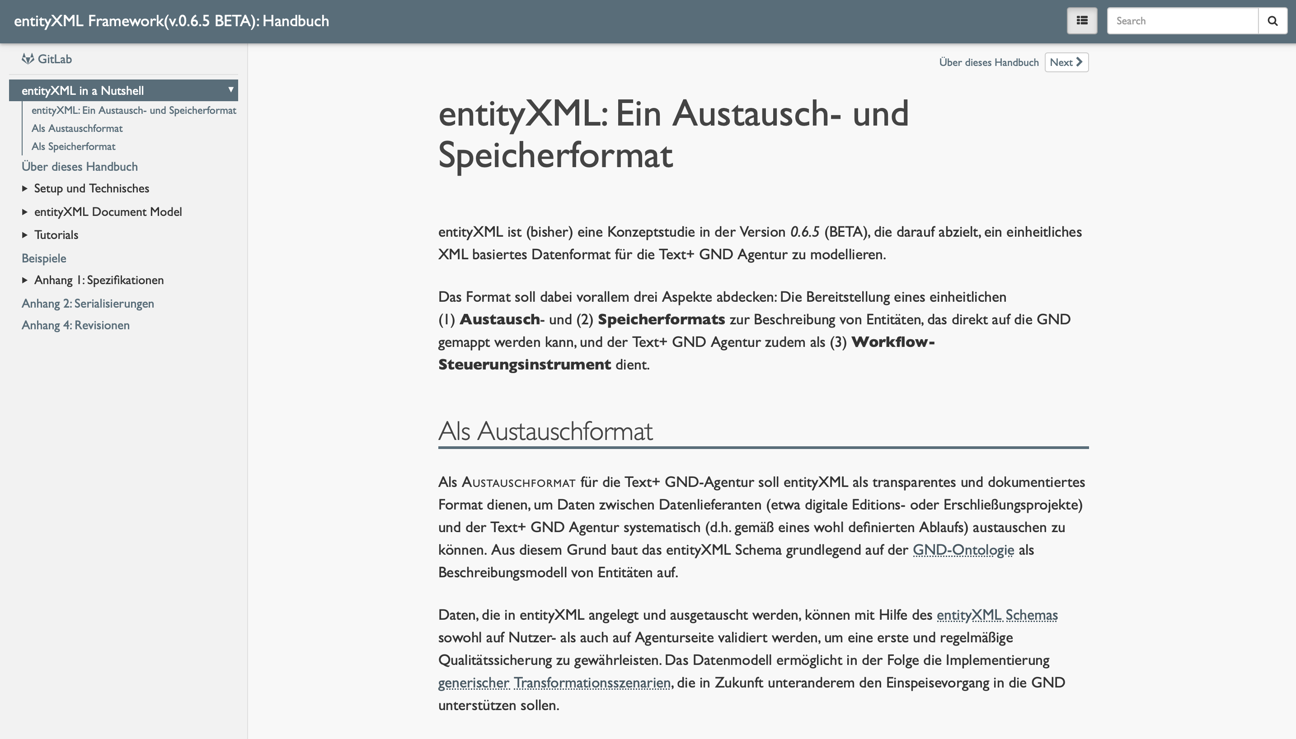
entityXML

GND Agency Text+
GWDG Jupyter Cloud
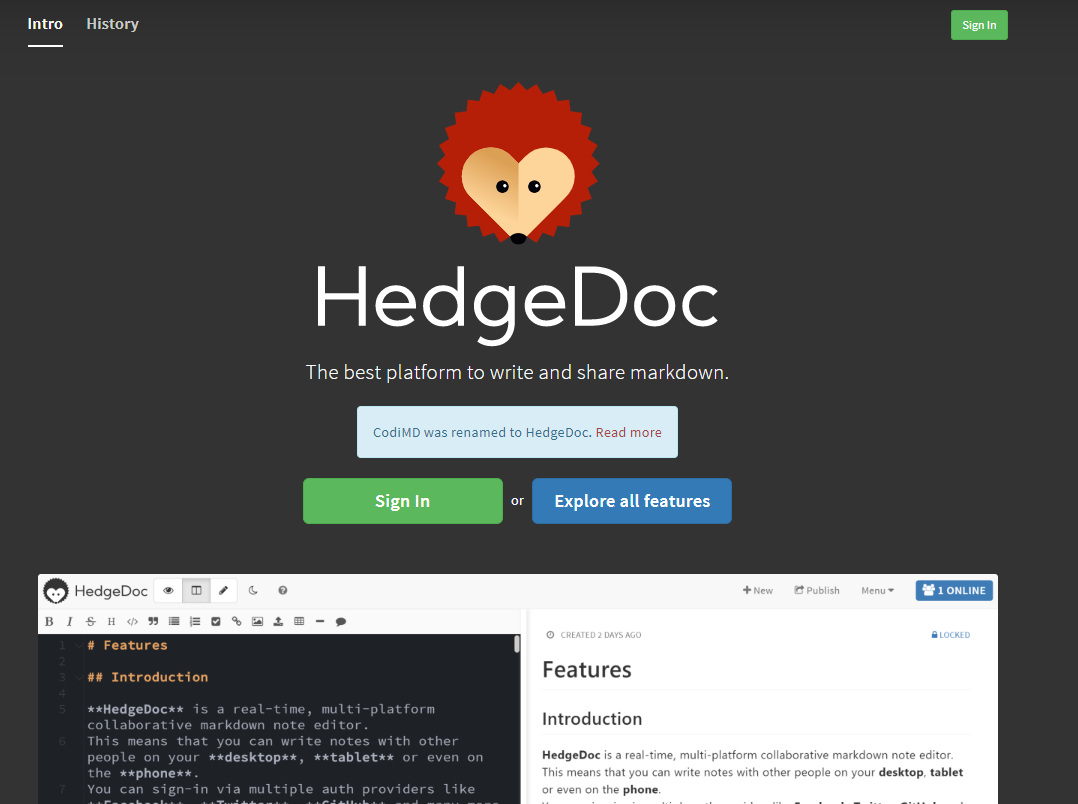
HedgeDoc - GWDG Pad
Online tool for collaborative text editing to work together on the same texts at the same time.
The HedgeDoc-pad is an open-source-based web editor that allows multiple users to work on a single text simultaneously from different locations.
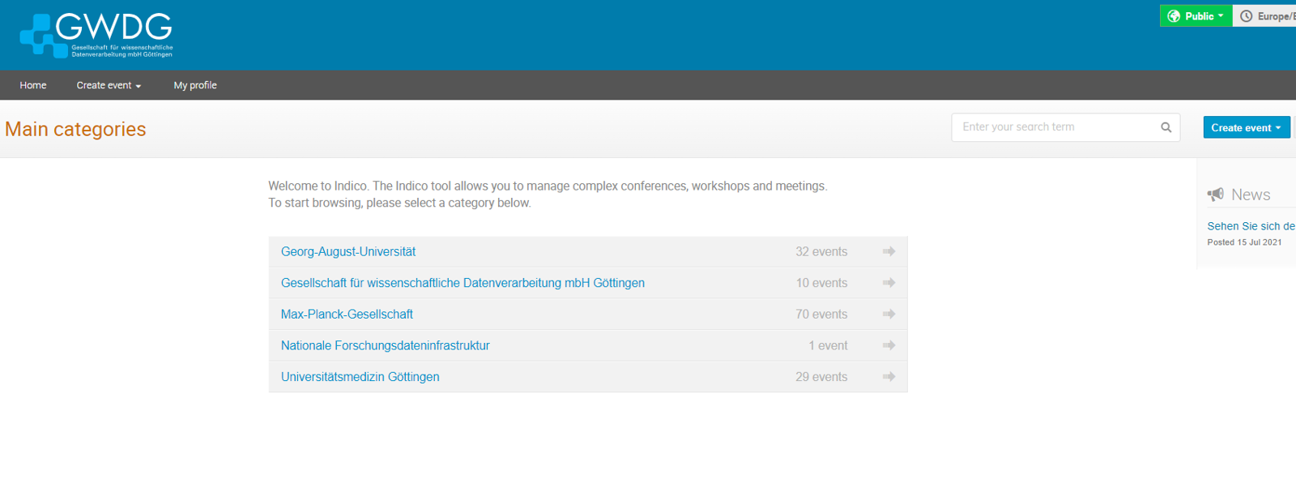
Indico Event Management
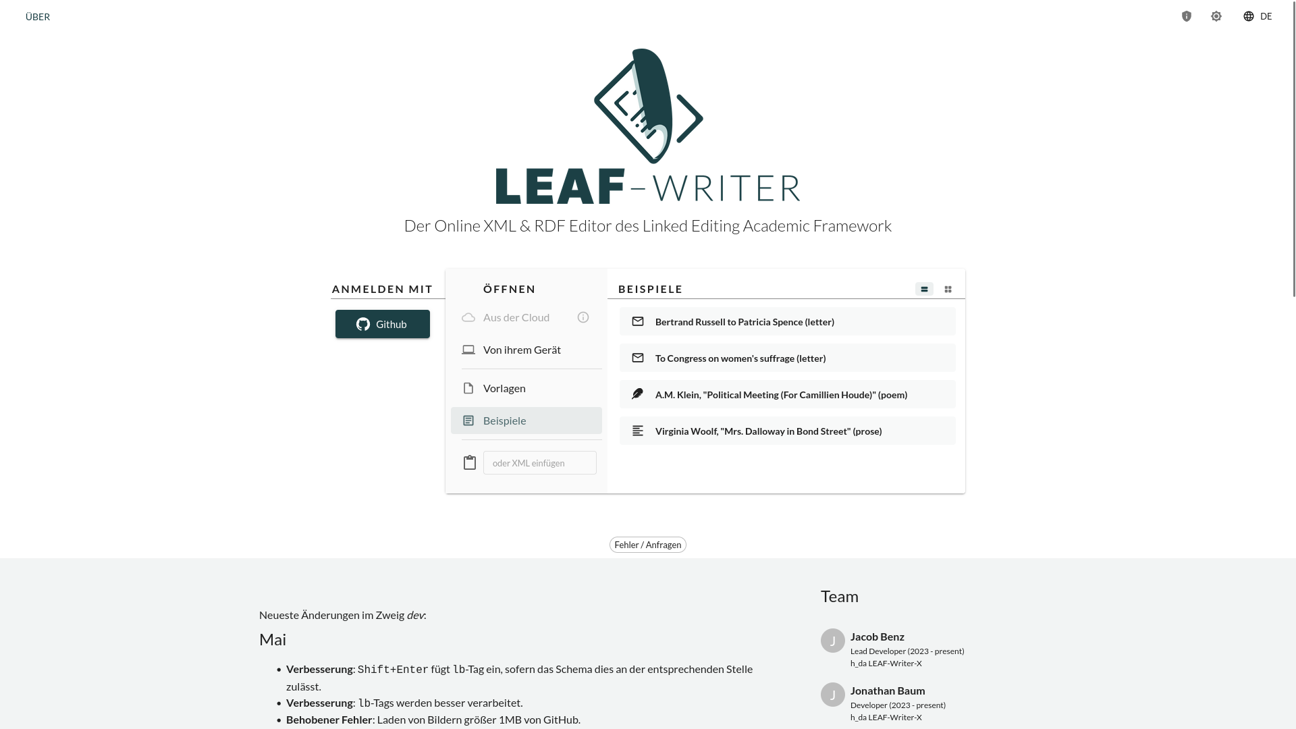
LEAF-Writer DARIAH
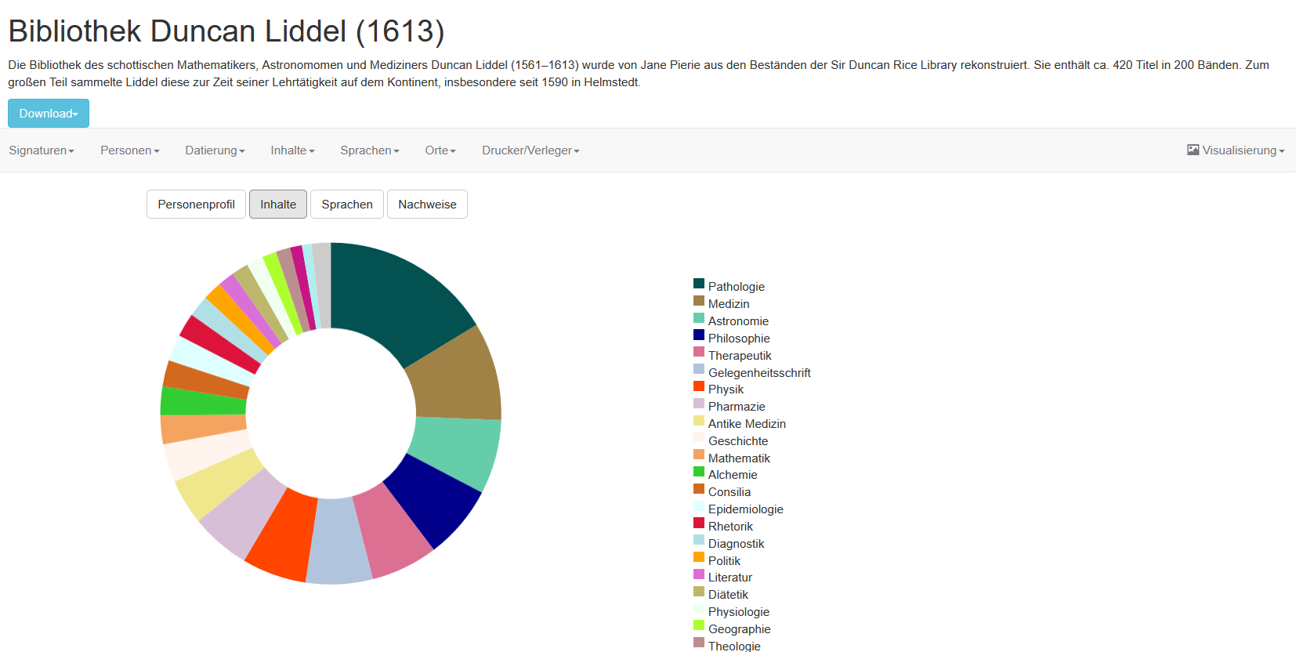
Library Reconstruction Tool (LibReTo)

MONAPipe
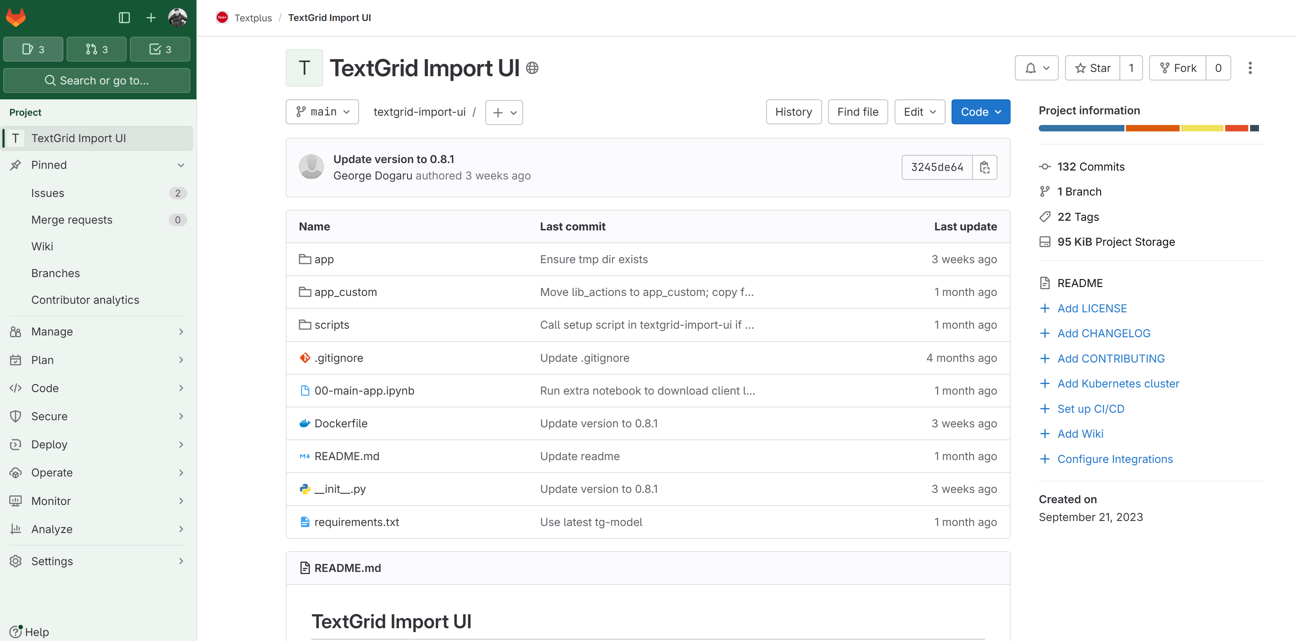
Notebook Actions - TextGrid Import UI
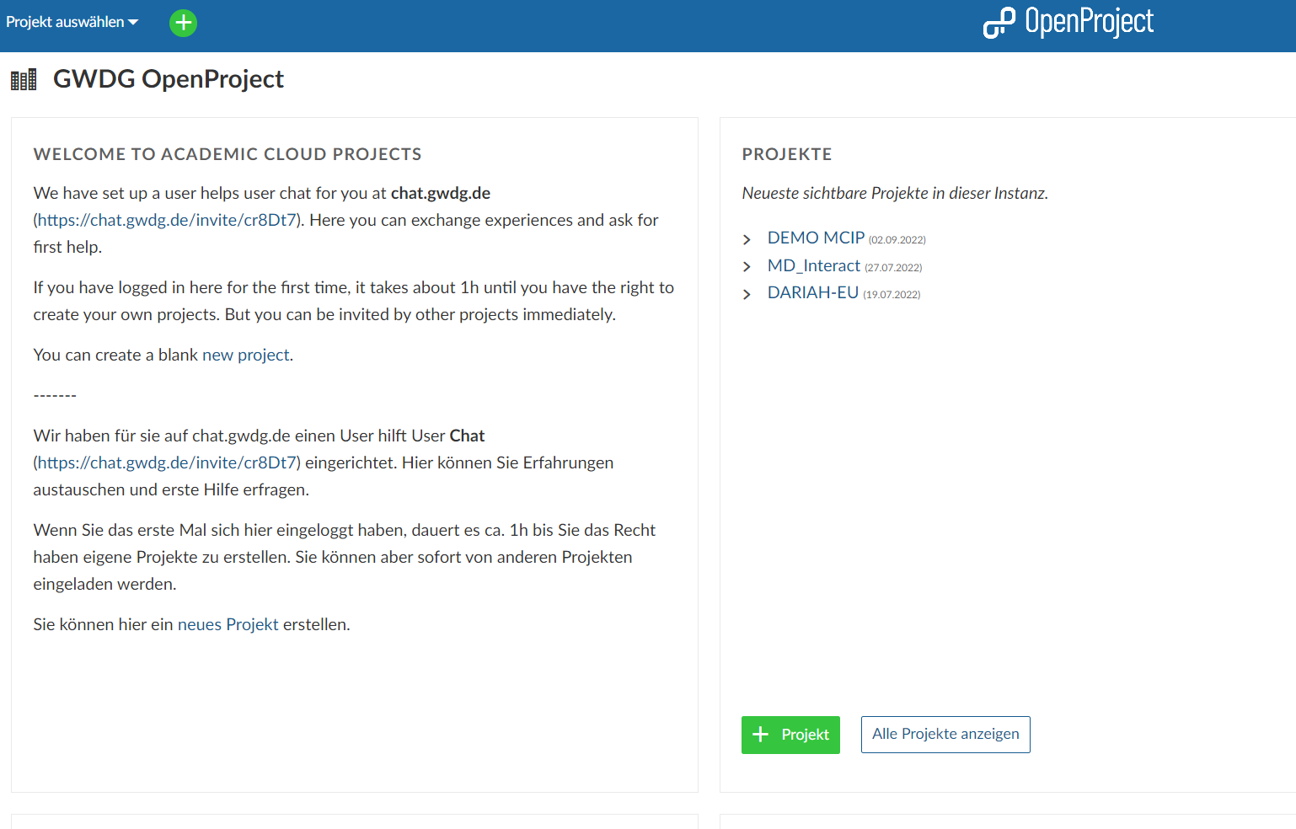
OpenProject
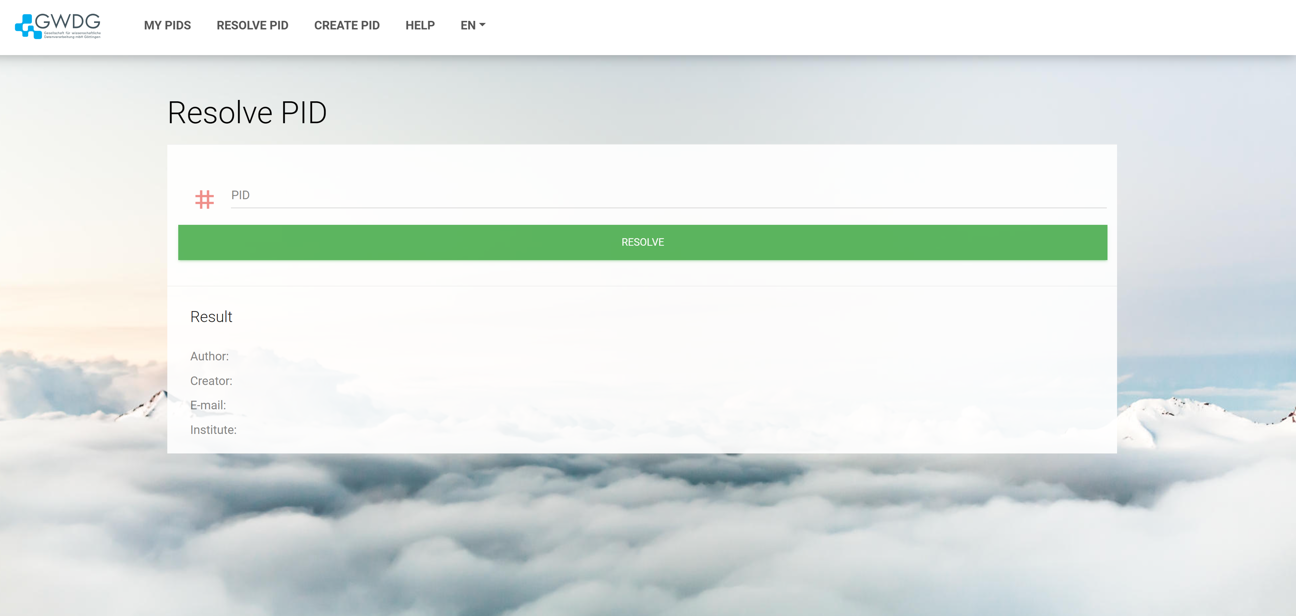
Persistent Identifier Service
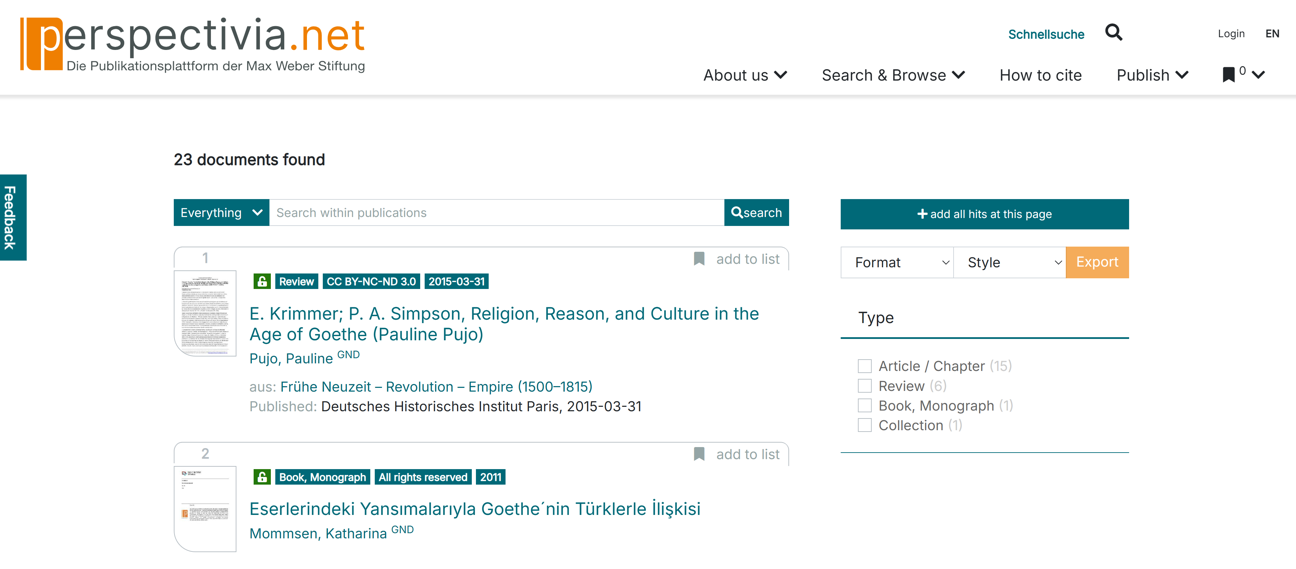
perspectivia.net
Python-Module zur Arbeit mit bibliographischen Daten, Schwerpunkt Alte Drucke
RocketChat
Scalable Architecture for Digital Editions (SADE)
Srophé App (an eXist-db publishing platform for TEI datasets)
The Srophé App is an open source application for encoding cultural heritage.
The Srophé App is an open source database designed to support digital humanities research in the history of culture.
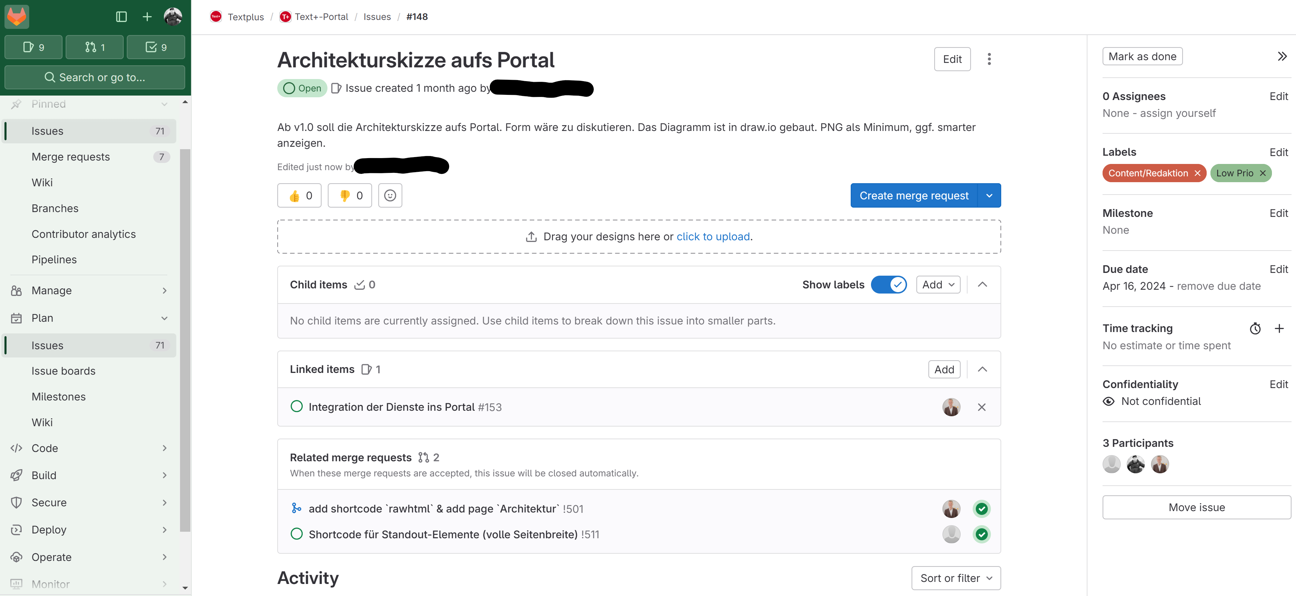
Text+ GitLab
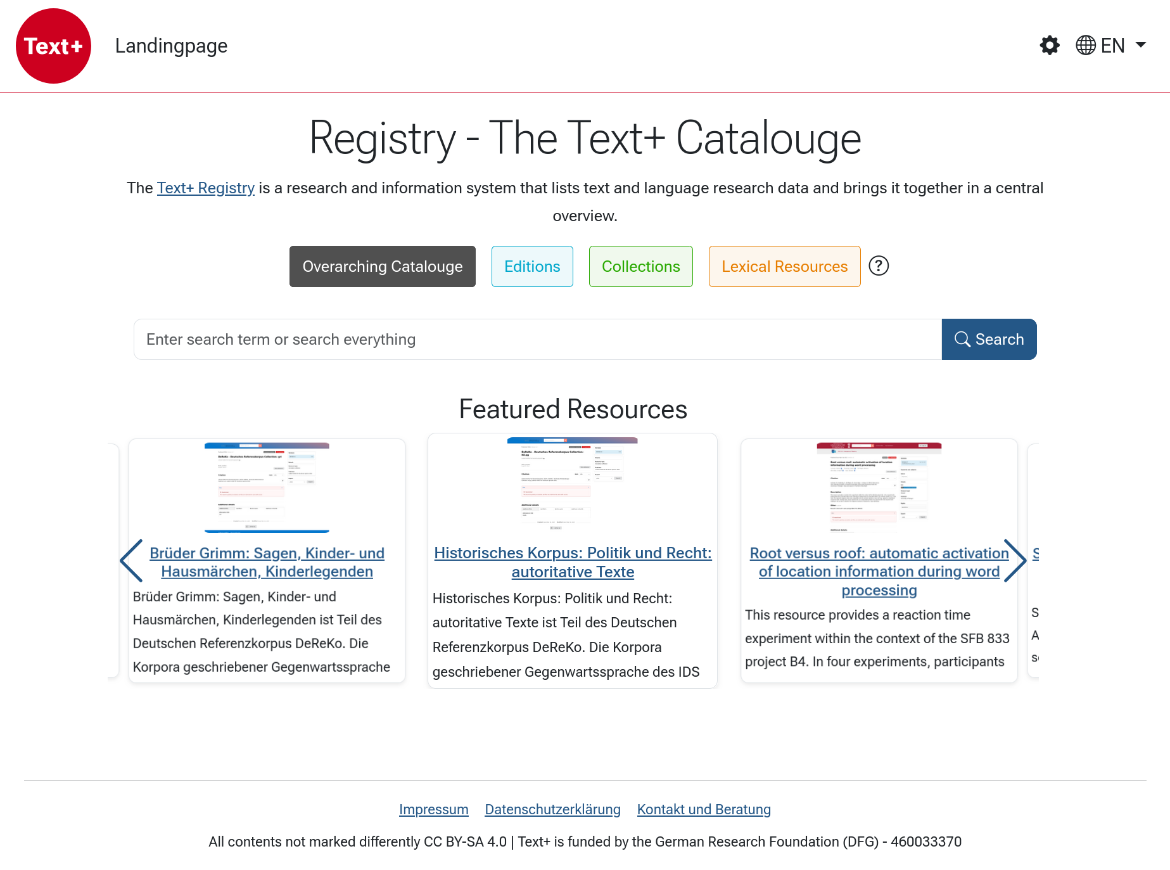
Text+ Registry
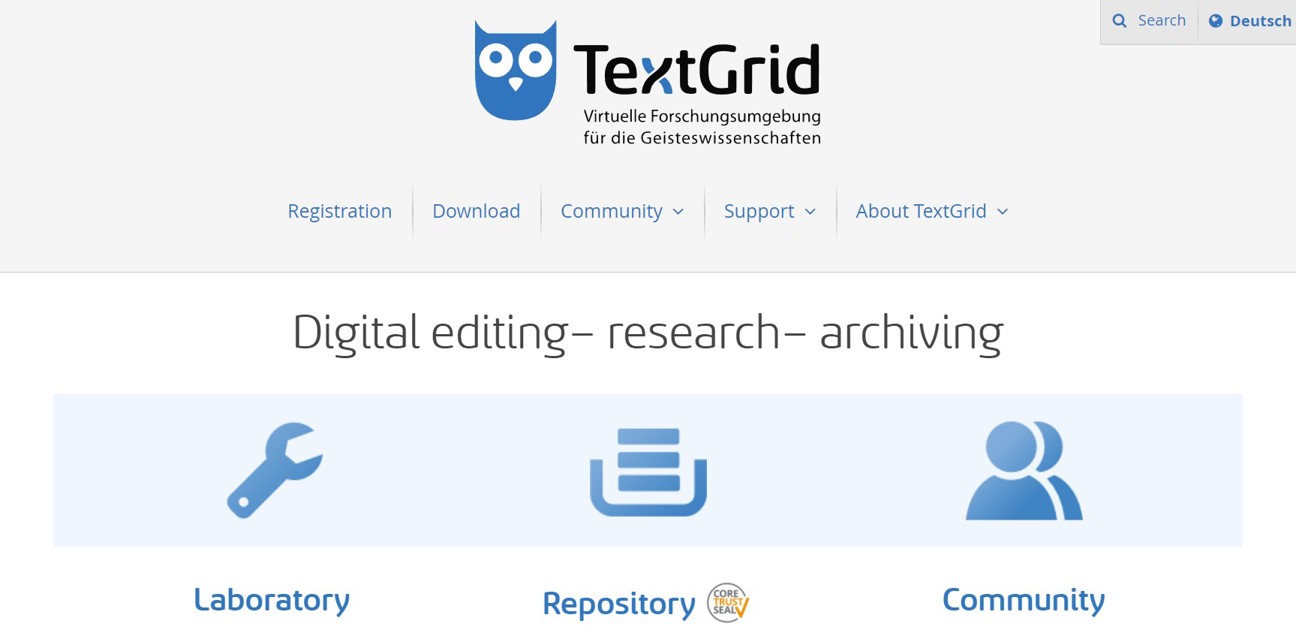
TextGrid Repository & Laboratory
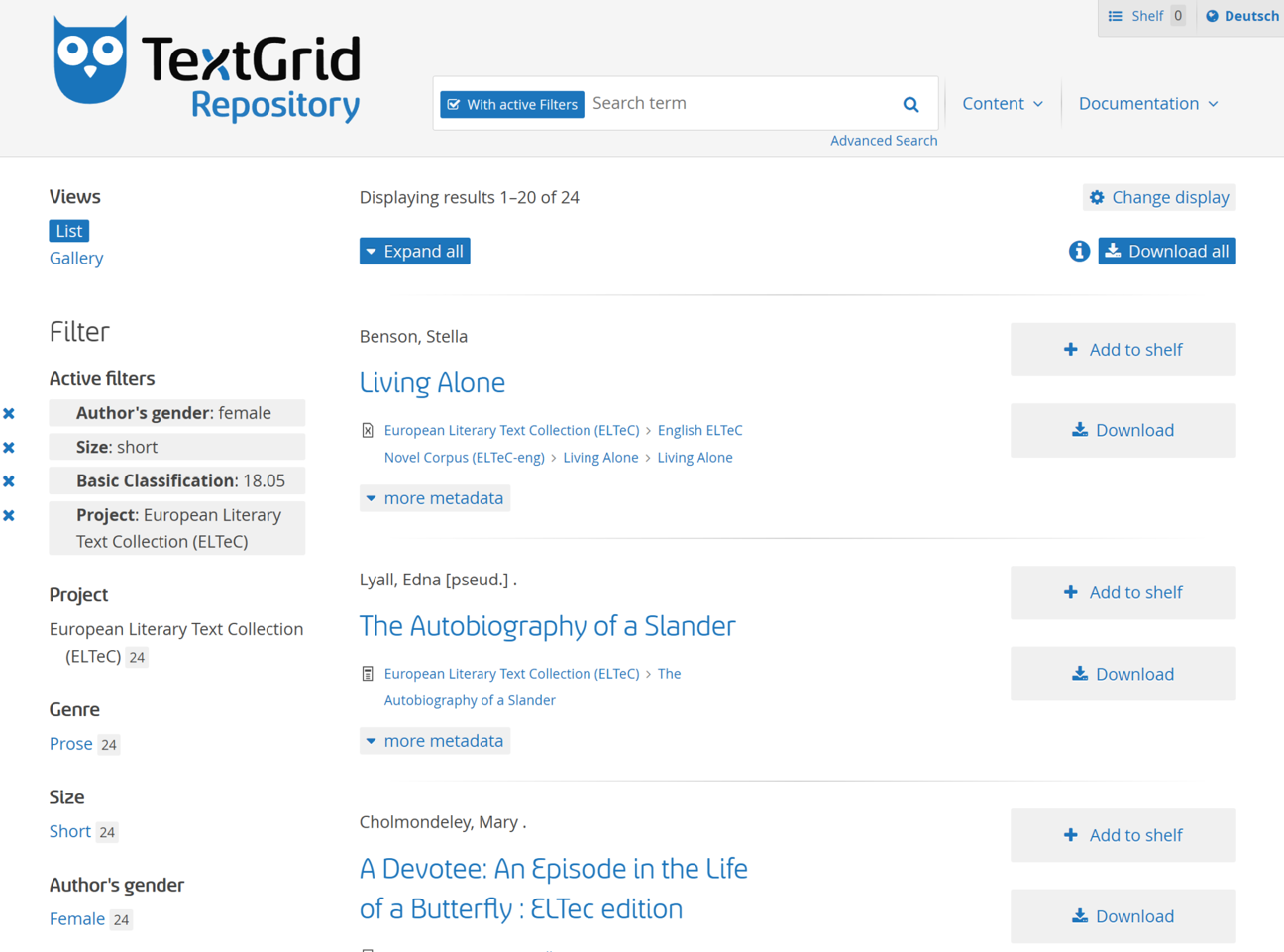
tg-model - TextGrid Import Modeller
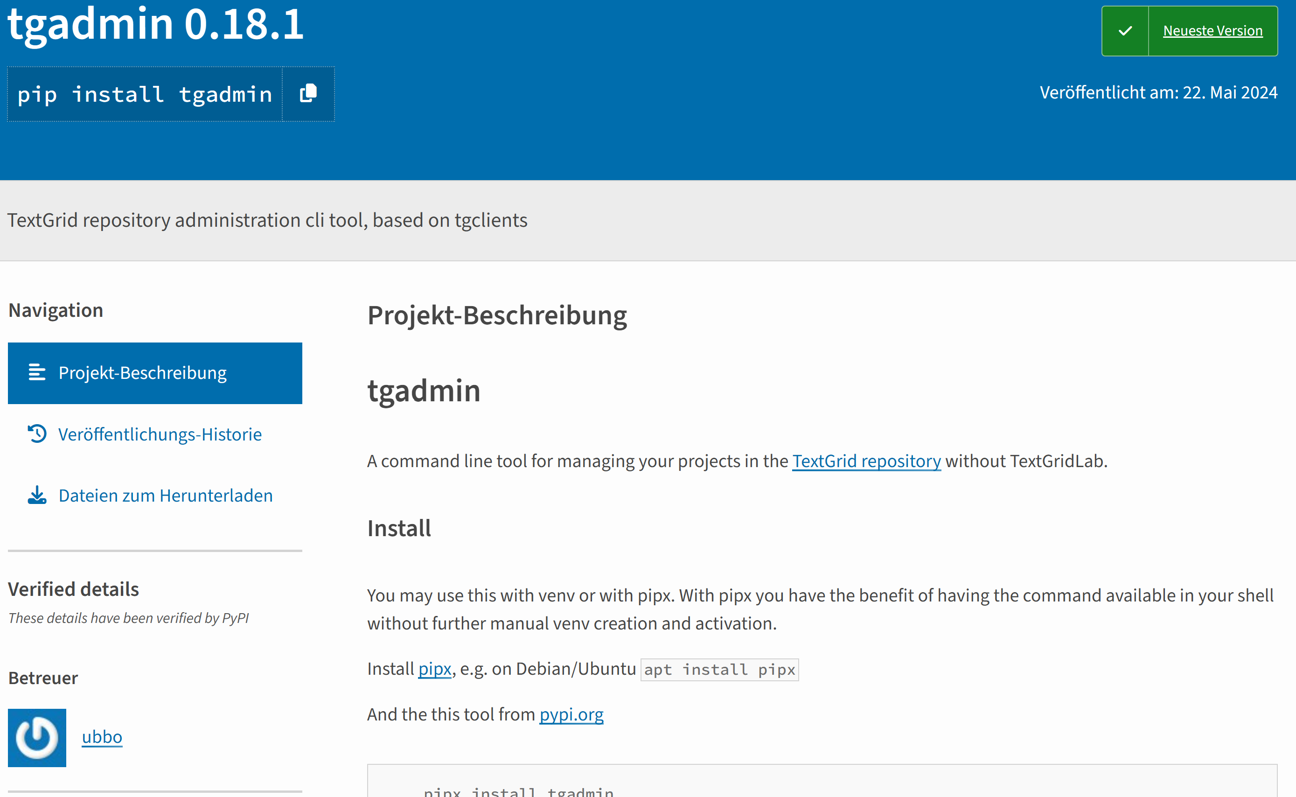
tgadmin - TextGrid repository administration cli tool, based on tgclients
What is the aim? A command line tool for managing your projects in the TextGrid repository without TextGridLab.
The actual data import is finally carried out by the Python tools tgadmin and tgclients, which in turn communicate with the TextGrid backend via the various TextGridRep APIs.
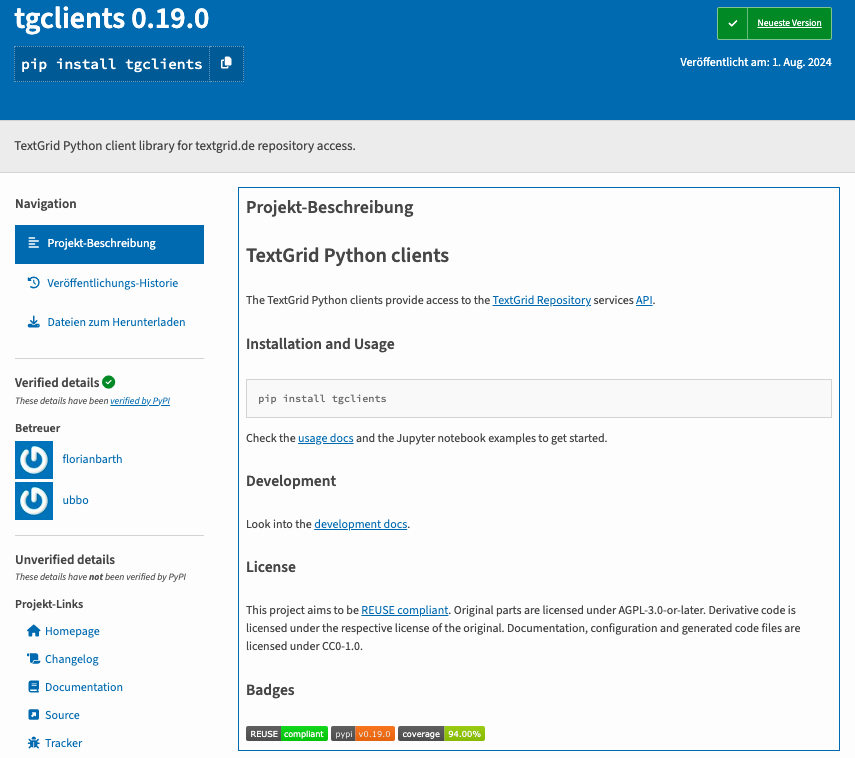
tgclients - TextGrid Python clients
What is the aim?
The actual data import is finally carried out by the Python tools tgadmin and tgclients, which in turn communicate with the TextGrid backend via the various TextGridRep APIs.
XTriples
Regelung zum Angebotskatalog
I. Aufnahme von Beiträgen gem. §2(2)
Ein Beitrag zum Angebotskatalog gem. §2(2) muss folgende Voraussetzungen erfüllen:
- Der Beitrag unterstützt Beratung, Bereitstellung, Weiterentwicklung und Vermittlung von Wissen, Werkzeugen und Diensten zur Förderung von Wissenschaft und Forschung auf nationaler und internationaler Ebene, einschließlich der Bereitstellung und Kuratierung von Forschungsdaten und Metadaten.
- Es handelt sich um ein bestehendes und regelmäßig nutzbares Angebot.
- Das Angebot folgt den Prinzipien von Open Science und ist für alle interessierten Communities des Vereins zugänglich und nutzbar, ggf. mit Authentifizierung, Autorisierung und unter Beachtung rechtlicher Vorgaben.
- Das Angebot ist im Kontext von DARIAH, CLARIN, OPERAS oder eines vergleichbaren Projekts (z. B. im Rahmen der NFDI) entstanden und wurde dort qualitativ evaluiert; die verantwortliche Einrichtung sichert den fortlaufenden Qualitätsstandard.
- Das Angebot steht mindestens ein Jahr zur Verfügung; eine Beendigung wird nach Möglichkeit sechs Monate vorher, spätestens jedoch so früh wie möglich, dem Verein und den bekannten Nutzereinrichtungen mitgeteilt.
- Das Angebot wird durch ein verantwortliches Ansprechteam unterstützt; die Verfügbarkeit ist unabhängig von Einzelpersonen gewährleistet.
- Über Neuaufnahme und Fortführung eines Beitrags entscheidet der Koordinierungsrat auf Basis der jeweils geltenden Regelung.
II. Ordentliche Mitgliedschaft und Zuordnung von Beiträgen gem. §2(2)
- Ein ordentliches Mitglied verantwortet mindestens einen Beitrag im Angebotskatalog; die Geschäftsstelle führt die Zuordnung.
- Beiträge werden der juristischen Person bzw. Vereinigung zugeordnet, unter deren Dach das Ansprechteam arbeitet; ist diese kein Vereinsmitglied, übernimmt eine natürliche Person stellvertretend die ordentliche Mitgliedschaft. Beiträge desselben Geltungsbereichs werden grundsätzlich nur durch ein ordentliches Mitglied vertreten.
- Über die Zuordnung eines Beitrags entscheidet der Koordinierungsrat; in Zweifelsfällen entscheidet der Vorstand abschließend.
- Mit Streichung oder Übertragung der Beiträge wird ein ordentliches Mitglied außerordentlich; tritt die vertretene juristische Person dem Verein bei, wird sie ordentliches Mitglied und die bisher vertretende natürliche Person außerordentliches Mitglied.
Changelog
- 2026-01-28: Regelungen zum Angebotskatalog zur Website-Sektion „Angebotskatalog“ hinzugefügt.